
What you need to know about Fair Trade
General Fair Trade knowledge
Below content available for download here
Third Party Certification
-
All Third Party Certification Ensures:
- Fair and stable minimum prices which cover the costs of sustainable production
- An additional Fairtrade premium for investment in economic, social or environmental improvements
- Long-term trading relationships to allow farmers to plan for the future
- Safeguards for workers’ rights
- Commitments to better pay and working conditions
- Respect for the environment by using environmentally sound agricultural practices.
Frequently Asked Questions
-
1. What is Fair Trade?
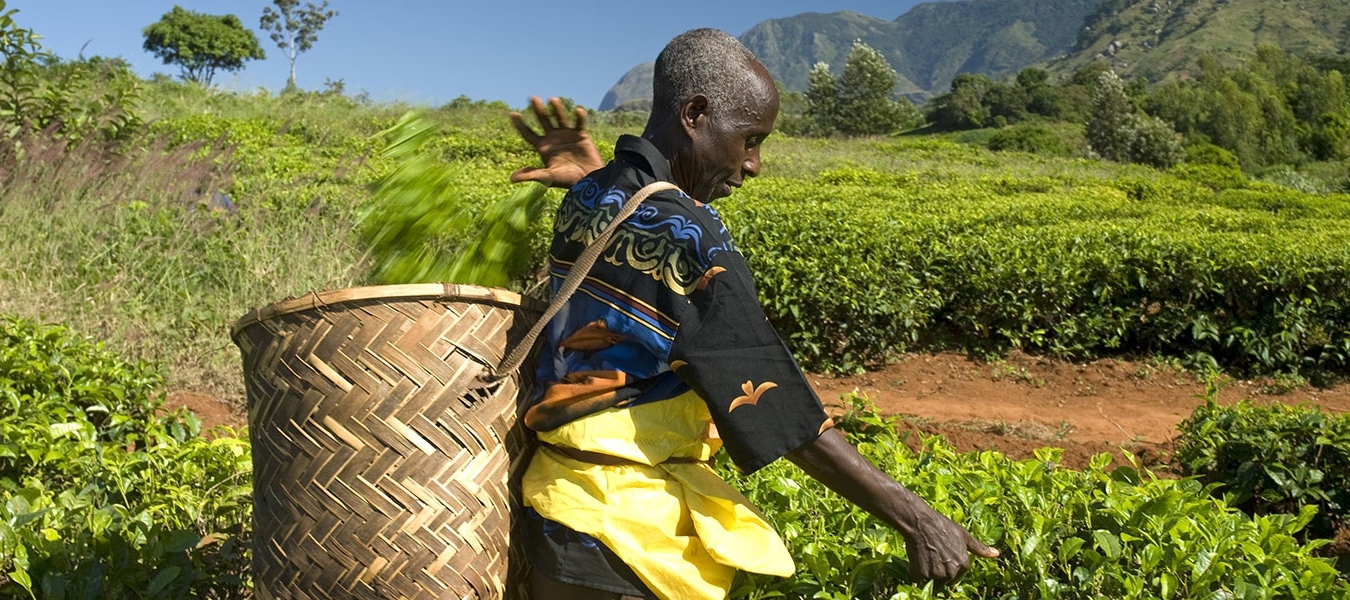
- Fair Trade means that farmers and artisans from developing countries get a Fair price for what they produce.
- Secondary point: Often when you buy a 2 dollar cup of coffee, only a few cents goes to the farmer who grows the coffee. With Fair Trade, farmers are guaranteed a fair price for their work.
- Fair Trade is an alternative way of doing business. Fair Trade strives not only to respect the labour conditions and environments of producers, but also to teach about exploitative working conditions and to work in partnerships that will help improve them.
-
2. How do you know a product is Fair Trade?
- On imported products like coffee, sugar and tropical fruit, look for the Fair Trade-Certified logos [hold up you lanyard].
- When you see this mark, you know the farmer was paid a fair price.
-
3. How do you know the farmer actually gets this Fair Price?
- With Fair Trade, the supply chain is streamlined, so everybody along the chain receives a fair wage and the farmers are guaranteed a Fair price. The entire supply chain is monitored by a third party verification system that ensures that proper payments are made. The international body that certifies products as being Fair Trade (the Fairtrade Labelling Organization) works with auditors who visit Fair Trade farms to ensure they are meeting all the proper requirements.
-
4. Are there environmental standards for Fair Trade?
- Yes, Fair Trade standards include environmental criteria and most Fair Trade products in Vancouver are also organic.
-
5. Should we be importing products?
- Virtually all Fair Trade products in Metro Vancouver are products that cannot be grown here in Canada. So, if you can’t buy local, buy Fair Trade.
- According to Fair Trade Canada, the following Fair Trade products are available in Canada:
- Cocoa, coffee, cotton, flowers, fruit, grains (rice and quinoa), spices and herbs, nuts and oils (shea butter, olive oil), sports balls, sugar, tea, wine)
-
6. Aren’t Fair Trade Products More Expensive?
- They can be, but they are becoming more comparable to premium products. They also taste better and when you buy them you support labour standards and the environment.
-
7. What about the Handcrafts? Are they certified as well?
- Since handcrafts are not commodities, it's much harder to set a minimum price for them, so they cannot be certified like other commodities under the Fairtrade Canada or FLO. However, there are companies like Ten Thousand Villages that have direct relationships with artisans and are also are certified as an organization with World Fair Trade Certification and Fair Trade Federation (see at our business cards for all of the logos).

