
What you need to know about the different products

Fair Trade Product Talking Points

Below content available for download here

SOCCER BALLS

Facts:

  • The majority of soccer balls are hand-stitched, each one requiring around 650 stitches
  • About 75% of sports balls are produced in Pakistan
  • The income for sports balls stitchers is usually based on the quantity of pieces sewn, rather than an hourly wage so their incomes are below legal minimum
  • Stitchers stitch around 4.5-5 balls per day

With Fair Trade:

  • COMMUNITY - Each Fair Trade certified sports ball producer has to have a Joint Body comprising of management, factory worker and stitcher representatives to decide upon the best use of the Fair Trade Premium money for the social and economic development of the workers, stitchers and community.
  • SAFETY - Fair Trade standards drive producers to take special care with regards to health and occupational safety of workers and also with regards to the environment.
  • COMMUNITY - Fair Trade premiums are used to invest in community health programs and build roads and schools
  • STABILITY - Fair Trade social standards for hired labour require that wages for workers equal at least the national minimum wage.
  • COMMUNITY - Fair Trade standards require that producers do not use child labour.

BANANAS

Facts:

  • Shoppers spend more than $15 billion a year on bananas globally
  • Canadians eat approximately 3 billion bananas a year
  • Bananas are the world’s fourth most important crop after rice, wheat and maize
  • Fair Trade bananas now account for nearly 2% of the total world trade in fresh bananas

With fair trade:

  • STABILITY - Growers are ensured a fair and stable price
  • COMMUNITY - Fair Trade premiums are used to invest in community health programs and build roads and schools
  • SUSTAINABILITY - Fair Trade standards support environmentally-friendly farming practices

CHOCOLATE

Facts:

  • The average Canadian eats approximately 6.7 kg of chocolate annually (2kg of raw cocoa)
  • For every dollar we spend on chocolate the farmer earns a few cents
  • Over 50% of the world’s cocoa comes from Ghana and Ivory Coast
  • Fair Trade chocolate makes up 1% of global chocolate sales

With Fair Trade:

  • STABILITY - Cocoa farmers are ensured a fair and stable price
  • QUALITY - Fair Trade enables farmers to invest in techniques that bring out the flavours unique to each region
  • COMMUNITY - Farmer-owned cooperatives invest in community health programs and build roads and schools
  • SUSTAINABILITY - Fair Trade standards support environmentally-friendly farming practices

COFFEE

Facts:

  • Canadians consume more than 40 million cups of coffee every day
  • Brazil produces 1/3 of the world’s green coffee beans
  • Vietnam, Colombia and Indonesia combined have another 1/3 of the market
  • 25 million families around the world work in coffee fields and are completely dependent upon coffee as their only source of income
  • Coffee farmers earn as little as 40 cents per pound for coffee they pick by hand
  • Fair Trade coffee accounts for roughly 2% of the market

With Fair Trade:

  • STABILITY - Guarantees fair and stable minimum prices to the coffee growers
  • SUSTAINABILITY - Environmental standards restrict the use of agrochemicals and promote sustainable farming practices
  • COMMUNITY - Farmer-owned cooperatives invest in community health programs and build roads and schools
  • EMPOWERMENT - Fair Trade shifts power to cooperatives and farmers who negotiate on their own terms

FLOWERS

Facts:

  • World sales of roses were a blooming $ 1.2 billion in 2008
  • A growing proportion of cut flowers are produced and exported by developing countries such as Kenya and Tanzania in Africa, and Ecuador in South America
  • Together, Colombia and Ecuador accounted for roughly 90% of all roses, 98% of all carnations, and 95% of all chrysanthemums sold in the U.S. last year

With Fair Trade:

  • STABILITY - Flower workers are ensured fair wages and paid maternity and sick leave
  • SUSTAINABILITY - Fair Trade flower farms must reduce water use & protect ecosystems
  • SAFETY - Workers must wear protective gear and are trained in handling agrochemicals
  • COMMUNITY - 8 – 12% of each sale is invested in community development — from scholarships to literacy programs

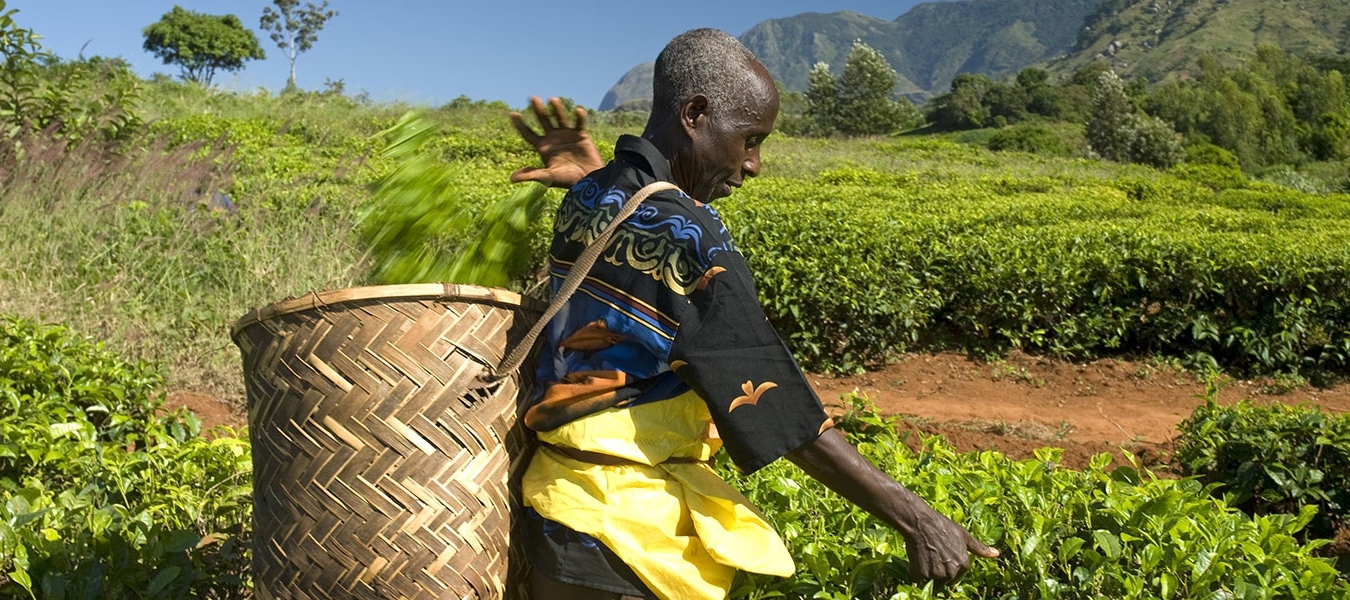
TEA

Facts:

  • Tea is the second most popular beverage in the world with 70,000 cups consumed every second
  • Absolute prices for tea are level with or below where they were 30 years ago
  • 50 million people are involved in the tea industry in the world’s least developed countries
  • Over $6 million in social premiums were paid directly to Fair Trade tea workers for community benefit (schooling, health care, community resources etc)

With Fair Trade:

  • STABILITY - Salaries paid to producers are either equal or higher than regional averages
  • SUSTAINABILITY - Chemical fertilizers, pesticides and insecticides are prohibited
  • SAFETY - Health and safety measures are established and measures are put into place that forbids child labour
  • COMMUNITY - Health and safety measures are established and measures are put into place that forbids child labour